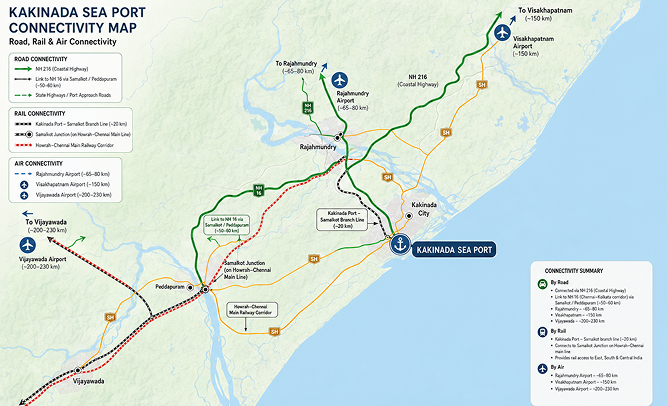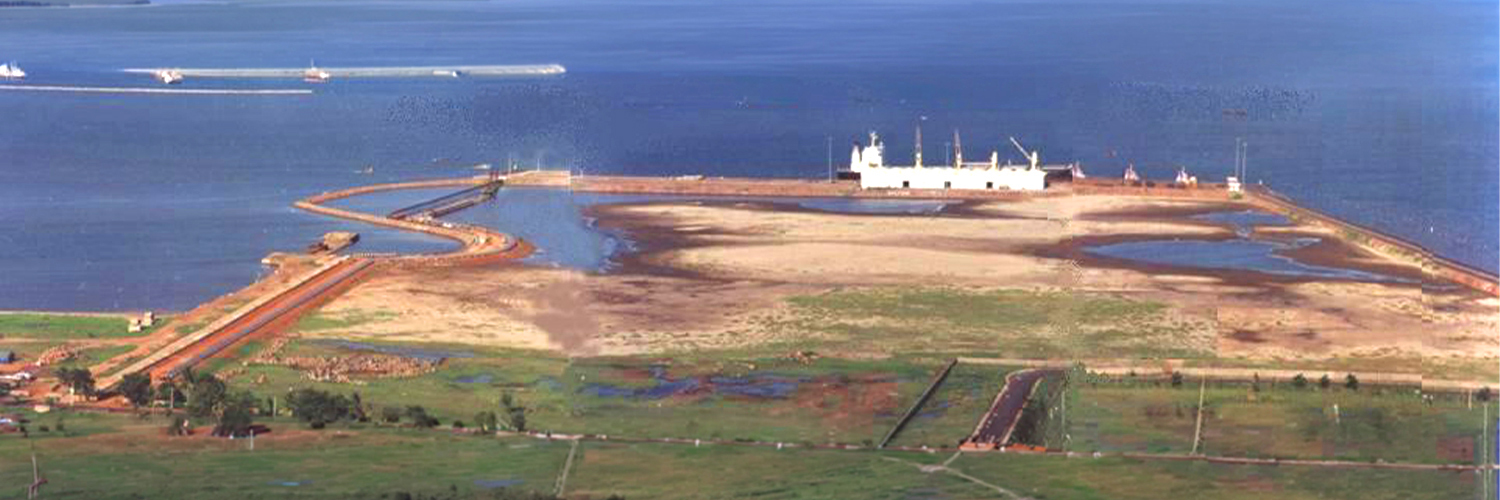
1999 – Foundation of a Maritime Gateway
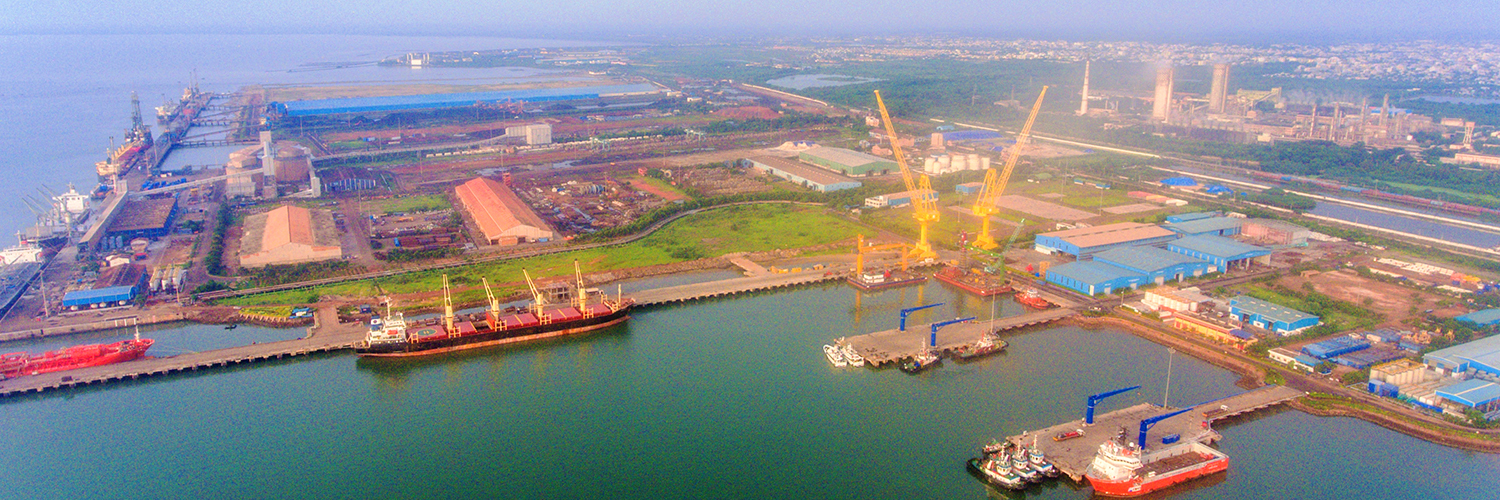
Commissioned by the Government of Andhra Pradesh in November 1997 with an initial quay length of 610 meters, Kakinada Deep Water Port marked the beginning of a transformative maritime journey.
Following privatization in 1999, Kakinada Seaports Limited took over operational control and laid the groundwork for structured growth and modernization.
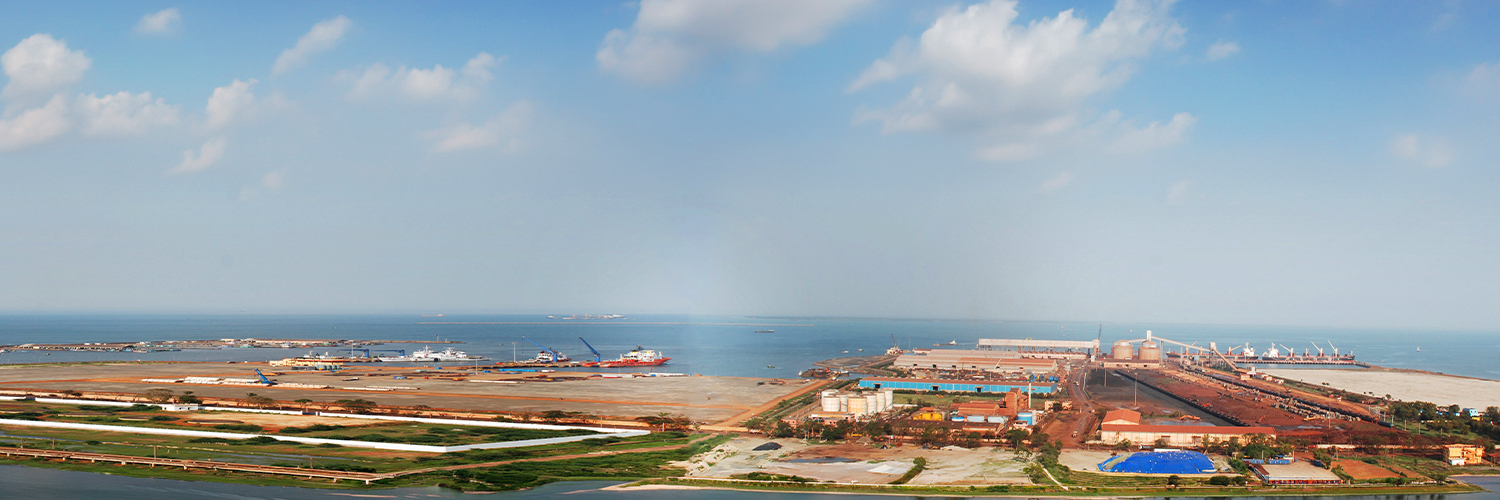
2010 – Expanding Capabilities, Strengthening Reach
A decade later, the port entered a significant expansion phase. The quay length was extended to 2,500 meters, enabling efficient multi-product cargo handling and energy-linked operations on the eastern coast of India.
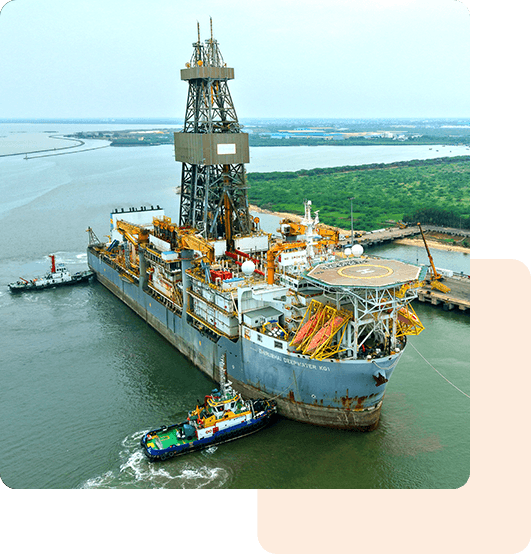
This period also saw the establishment of a dedicated offshore supply base supporting deep-sea exploration activities, positioning Kakinada as a strategic hub for offshore and energy-linked operations.
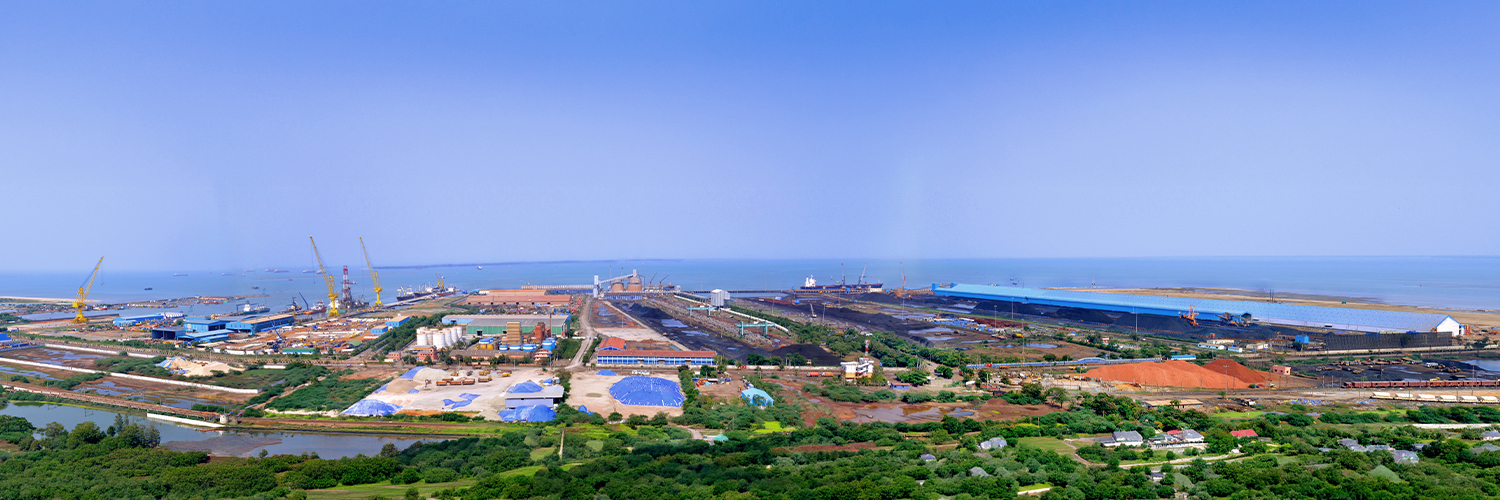
2019–20 – Scaling Performance
By 2019–20, Kakinada Seaports demonstrated its operational strength by handling 15.36 million metric tons of cargo.
This milestone reflected the port’s growing efficiency, improved infrastructure, and increasing trust among global and domestic trade partners, reinforcing its standing as a reliable maritime gateway.
2024–25 – Setting New Benchmarks
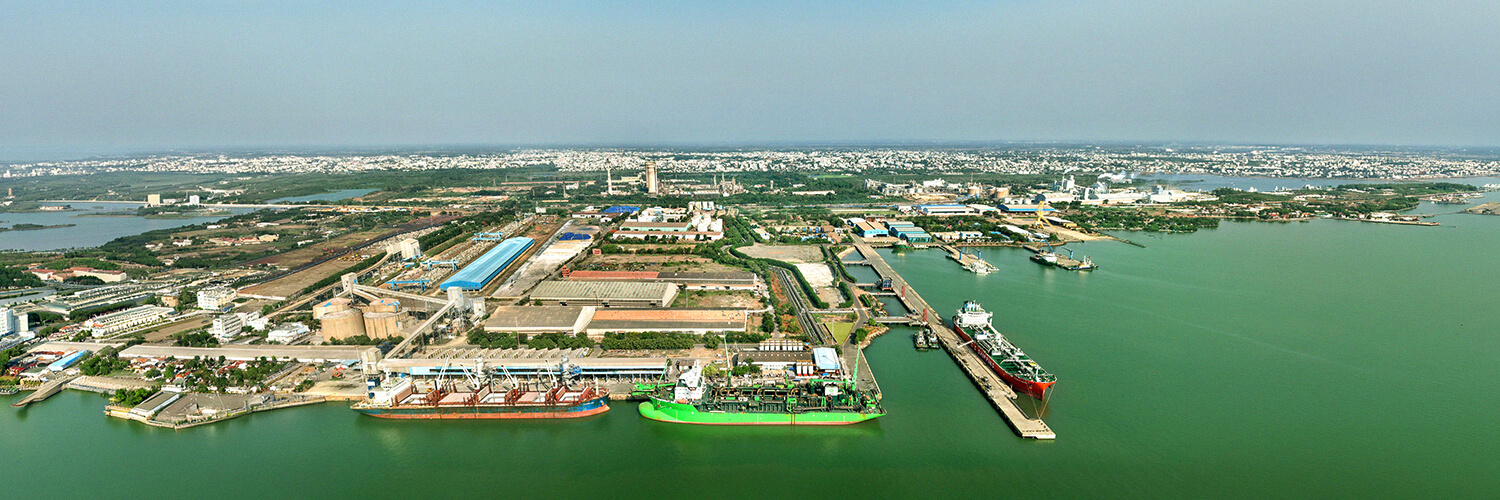
The port continued to expand its operational footprint by handling the largest parcel of edible oil in its history.
It also marked key firsts, including the handling of its first import cement clinker vessel and the first phosphoric acid vessel at the South Berth.
Present – Built for the Future
Today, Kakinada Seaports is fully equipped with comprehensive infrastructure and advanced operational systems capable of handling up to 24 million tons per annum.
With a strong foundation, diversified cargo profile, and forward-looking expansion strategy, the port continues to strengthen its presence as a dynamic and future-ready maritime gateway on India’s eastern coast.

Mission
Our mission is to operate Kakinada Seaports as a reliable and efficient maritime hub, delivering safe, seamless, and customer-centric port services. Through modern infrastructure, operational excellence, and responsible practices, we strive to support global trade, create value for stakeholders, and contribute to sustainable economic growth.

Vision
Kakinada Seaports Ltd aspires to position the port as a dynamically evolving and emerging maritime gateway, capable of meeting the demands of an ever-evolving global marketplace. Our focus remains on delivering prompt, efficient, safe, and integrated services to our customers, while upholding world-class standards and contributing to the nation's socio-economic and sustainable development.

Operational Excellence
We strive for efficiency and precision in every port operation, ensuring smooth cargo movement and dependable service delivery.

Reliability & Trust
We build long-term relationships through consistent performance, transparency, and dependable operations.

Innovation & Technology
We embrace modern technologies and smarter systems to enhance efficiency, safety, and secure, future-ready operations.

Community Growth
We contribute to regional development by creating opportunities and supporting the communities around us.